
Universities
Strengthen career outcomes.
Deepen employer engagement and experiential learning while giving graduates evidence of what they can do.
ElevateU helps schools turn learning into demonstrated capability—equipping students with the human skills, AI fluency, real-world experience, and proof of what they can do to stand out in college and the workforce.

Trusted by employers and schools


The Shift
01
AI can help students produce increasingly sophisticated work. The real signal is whether they can show the thinking, decisions, and capabilities behind what they produce.
02
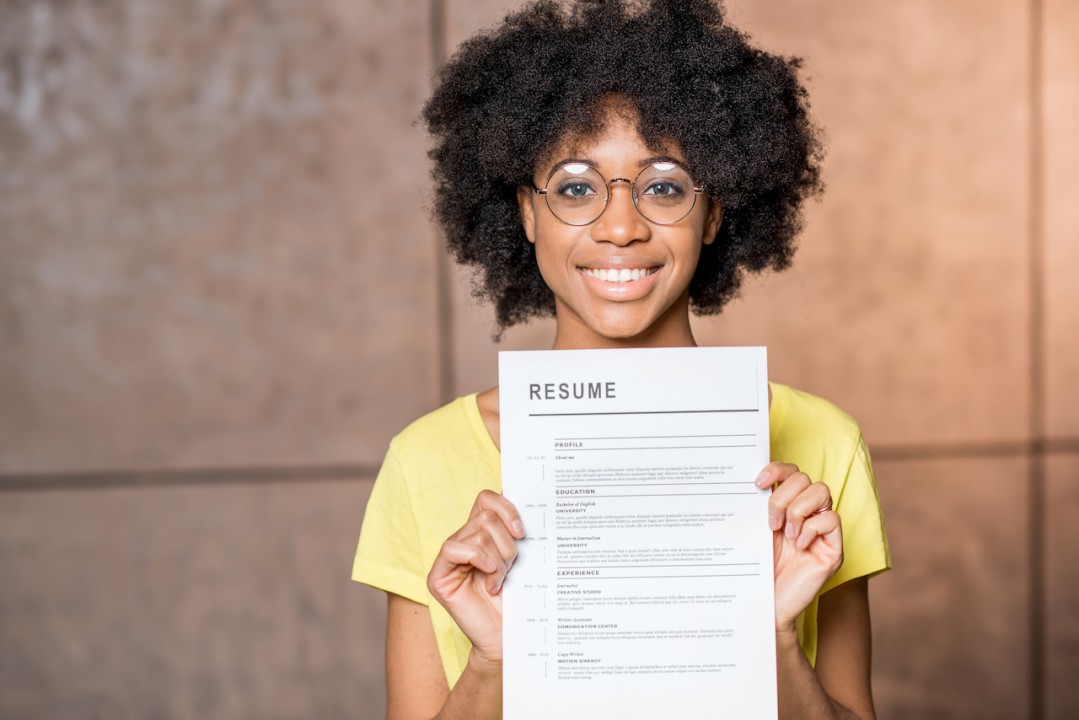
A degree and résumé still matter. But employers increasingly want to see how graduates think, solve problems, communicate, and create value.
03
Authentic experiences, real-world problem solving, presentations, portfolios, and demonstrated impact provide a richer picture of what students understand and what they're capable of.
ElevateU bridges the gap between education and employment—turning what students learn into evidence of what they can do.
Solutions
Universities
Deepen employer engagement and experiential learning while giving graduates evidence of what they can do.

High Schools
Build AI literacy, leadership, real-world experience, and future-ready skills long before graduation.

Parents
Build the skills, experiences, confidence, and proof that colleges and employers increasingly value.
How It Works
One methodology. Built for every stage of the student journey.
Build the capabilities that matter. Develop AI fluency, critical thinking, communication, judgment, and the human capabilities students need for what comes next.
Put them to work on a real challenge. Through The Proof Lab™, students tackle authentic organizational problems—researching, analyzing, making decisions, and presenting recommendations.
Turn capability into something others can see. Students build a Proof of Value Portfolio™ demonstrating not only what they produced, but how they think, solve problems, and create value.

Where Learning Meets the Real World
Students don't just study real-world problems. They solve them.
The Proof Lab connects schools with organizations willing to share authentic challenges. Students research the problem, develop recommendations, present their thinking, and turn the experience into proof of what they can do.
Organizations gain fresh perspectives. Students gain proof.
What Students Leave With
Grade 12 · San Diego, CA · Aspiring entrepreneur with a passion for business, marketing, and design.
“I don't want to just study business. I want to do it.”

Right now
Applying to college
Pitching her work to real stakeholders — out loud, on her feet.
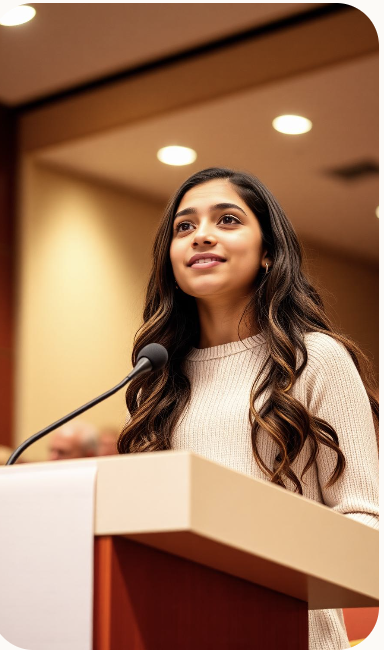
Working directly with the business owner and iterating on real notes.

Two weeks of customer and market research before a single design.

A finished rebrand delivered to a paying neighborhood business.

My favorite project so far: a full mini-rebrand for Pan Dulce Sofia, a family bakery two blocks from my school. New logo, new menu, new Instagram — same abuela in the back.
The Problem
Their food is amazing but their menu was a printed Word doc and their Instagram hadn't been posted to in 8 months.
What I Did
Two weeks of research, 6 logo drafts in Figma, a printed bilingual menu in Canva, and a 30-day Instagram content plan they could actually keep up with.
What Happened
Instagram followers went from 190 to 640 in two months. A local food blog reposted the new menu. They asked me to help their cousin's taquería next.
Traditional assignments end with a grade.
ElevateU creates work students can showcase.
Traditional résumés describe experience.
ElevateU gives students evidence.
Traditional career preparation starts near graduation.
ElevateU starts years earlier.
AI, education, admissions, and hiring are evolving quickly. Get practical insights and resources for preparing students for what's next.
Monthly insights. Practical tools. No hype.
Let's prepare them for it.